I started writing on Substack as part of a challenge. My friend, , is doing a 52-week writing challenge, which inspired me to join in. Writing isn’t easy. I procrastinate a lot. So I gave myself a kick-in-the-butt method.
Or, in other words: skin in the game 😅
Internet Diet is a reader-supported publication. To receive new posts and support my work, consider becoming a free or paid subscriber.
Beeminder is a tool where you add your credit card and commit to a goal. If you fail, it charges you. And it doesn’t let you quit easily.
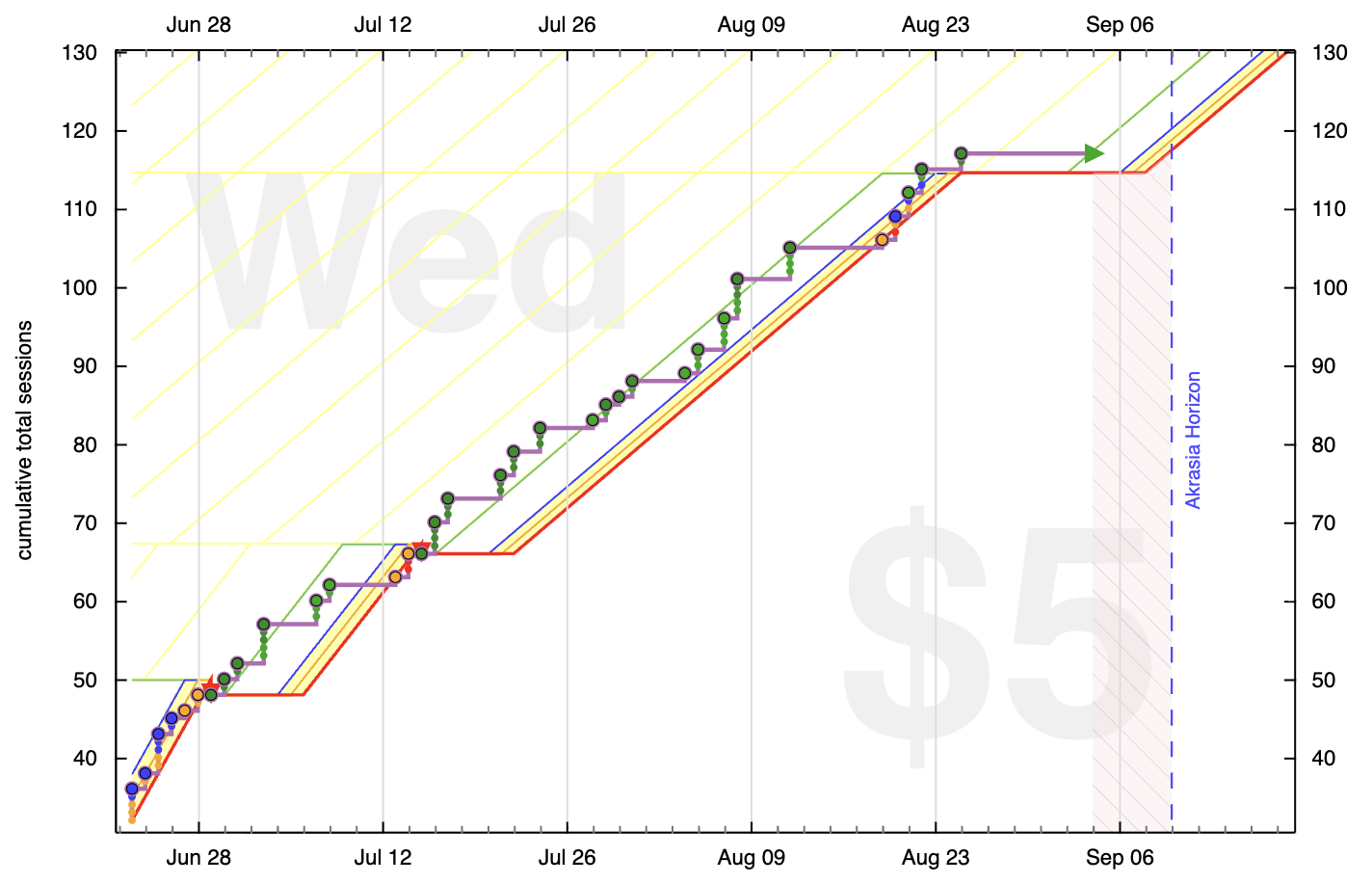
I was trying to build a Focusmate habit. I missed my goal twice and lost $10 to Beeminder. But it snapped me back on track quickly. Right now I’m taking a short holiday from it since I’m in Vilnius until Sunday.
Once I’m back in Vienna, I’ll keep using it. It feels like meeting a colleague in an office and working side by side.
It was more of an oh shit moment when I realized I hadn’t tracked my challenge properly. I learned to double-check if I was still on track. Now I use the Beeminder app on my iPhone so I don’t forget. Losing money is annoying, but it also motivates me. It builds habits. It improves me. And, in this case, it even helped me write this article.
Back to the main quest
In 2024 I started exploring AI tools in new ways. The big one: coding tools like Cursor and Windsurf. Suddenly you could vibe-code a working app. Buggy, sure, but working.
While working my full-time job, I experimented with Cursor and Windsurf to see which one could add agentic flow to my workflow and help me build what I wanted.
At carVertical, all I wanted was a few automations. I worked with the backend team to set up trigger-based events and update HubSpot CRM, so our B2B sales team could actually get stuff done.
I didn’t replace the backend team. My expertise was scrapers, finding more car dealers for my list.
Then came an aha moment. A colleague from accounting wanted a custom FX rate tracker in Google Sheets. I bragged that AI could do it. So I vibe-coded an Apps Script that pulled live data daily. It took about two hours to build, and they’ve been using it ever since. No complaints. That was when I knew these tools weren’t just toys.
Best thing about Cursor: you can create all kinds of files. Apps Script, Python, JavaScript, whatever you want.
I even coded an HTML page that ran scripts locally, so I could interact with the scraper from a browser.
Later, Replit launched agentic AI web-app builders. They were connected to the internet and let you deploy fast. I tried scrapers there too. You just drop in a task and it figures out the scraper it needs. It worked.
The problem? Most of these tools are single-use. Hard to adapt. Disposable. Still, the more I used them, the faster I got to solutions.
Example: I needed data from a car dealer site with thousands of potential customer profiles. The site listed ads, emails, and contact details. I asked Replit to build a scraper. It pulled the data into a sheet. After a few tweaks it worked cleanly. I could filter out the junk, keep what mattered, and move faster.
So 2024 turned into a stretch where Claude Sonnet 3.5 showed off its coding chops, while OpenAI focused on consumer products like better search and advanced voice. Back and forth.
My takeaway: context is everything. If you want to build your own AI tools, start with the Codex (OpenAI’s coding tool). Install the extension in VS Code, connect it to your account, and go.
Quick reviews
Windsurf: meh. Got acquired, now dead.
Cursor: strong tool, but pricey if you need lots of credits.
Claude Code: amazing in June, got worse recently.
Perplexity: not built for coding, but helped me write a code block back in 2023. Fun, not exciting anymore.
Replit: overhyped, but easiest UX to go live with your site.
Bolt: don’t use it.
Loveable: haven’t tried enough yet.
Meanwhile, OpenAI is catching up with the competition and shipping delightful UX that just works. I got ChatGPT Pro and haven’t looked back.
In a few weeks or months something else will pop up, maybe Claude Sonnet 5. Then that’ll be the winner. The game never ends.
Anyone sticking to free tools is missing out. Money puts skin in the game. Pay for a tool and you’ll squeeze value from it. Trust me, it’s worth $20 a month for ChatGPT Plus. I spent more than that on GPT-4 API when it was scarce. Worth every cent.
Internet Diet is a reader-supported publication. To receive new posts and support my work, consider becoming a free or paid subscriber.